Mastering Microservices
Breaking monoliths into manageable services with event-driven architecture.
Breaking monoliths into manageable services with event-driven architecture.
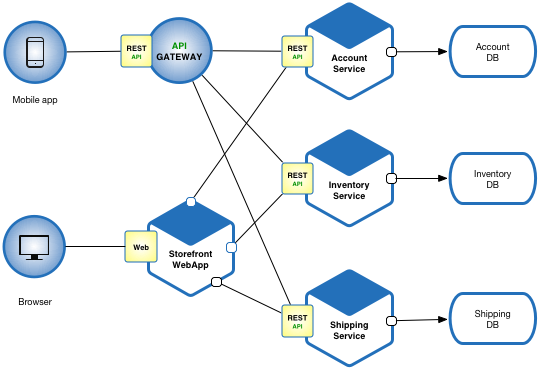
Modern applications need to handle massive traffic, fast deployments, and continuous updates. Traditional monolithic architectures often struggle with scalability and maintenance as applications grow larger. This is where Microservices Architecture becomes important. Instead of building one large application, microservices break the system into smaller independent services such as:
- User Service
- Payment Service
- Order Service
- Notification Service
Each service handles a specific responsibility and can be developed, deployed, and scaled independently. For example, if an e-commerce platform receives heavy payment traffic during a sale, only the Payment Service can be scaled without affecting the rest of the system.
Why Microservices?
Microservices solve many problems of monolithic applications: Easier scaling Faster deployments Better fault isolation Independent team development Improved maintainability If one service fails, the entire application doesn’t necessarily crash.
Event-Driven Architecture
Microservices become even more powerful with Event-Driven Architecture (EDA). Instead of services directly calling each other, they communicate using events. Example: Order Created Event When an order is placed: Payment Service processes payment Notification Service sends email Inventory Service updates stock All services react independently to the same event. This creates loose coupling and improves scalability.
Popular Tools
Modern microservice systems commonly use:
Containers - Docker Orchestration - Kubernetes Messaging - Kafka, RabbitMQ API Gateway - NGINX, Kong Monitoring - Prometheus, Grafana
Real-World Example
Companies like Netflix, Amazon, Uber, and Spotify heavily rely on microservices to handle millions of users globally. Netflix, for example, uses hundreds of microservices for streaming, recommendations, authentication, and analytics.
Conclusion
Microservices help modern applications become scalable, flexible, and easier to manage. Combined with Event-Driven Architecture, they enable faster communication, better fault isolation, and real-time processing. That’s why microservices have become the foundation of modern cloud-native applications.