My Technical Notes
I occasionally write about backend architecture, system design, and the latest in web development.
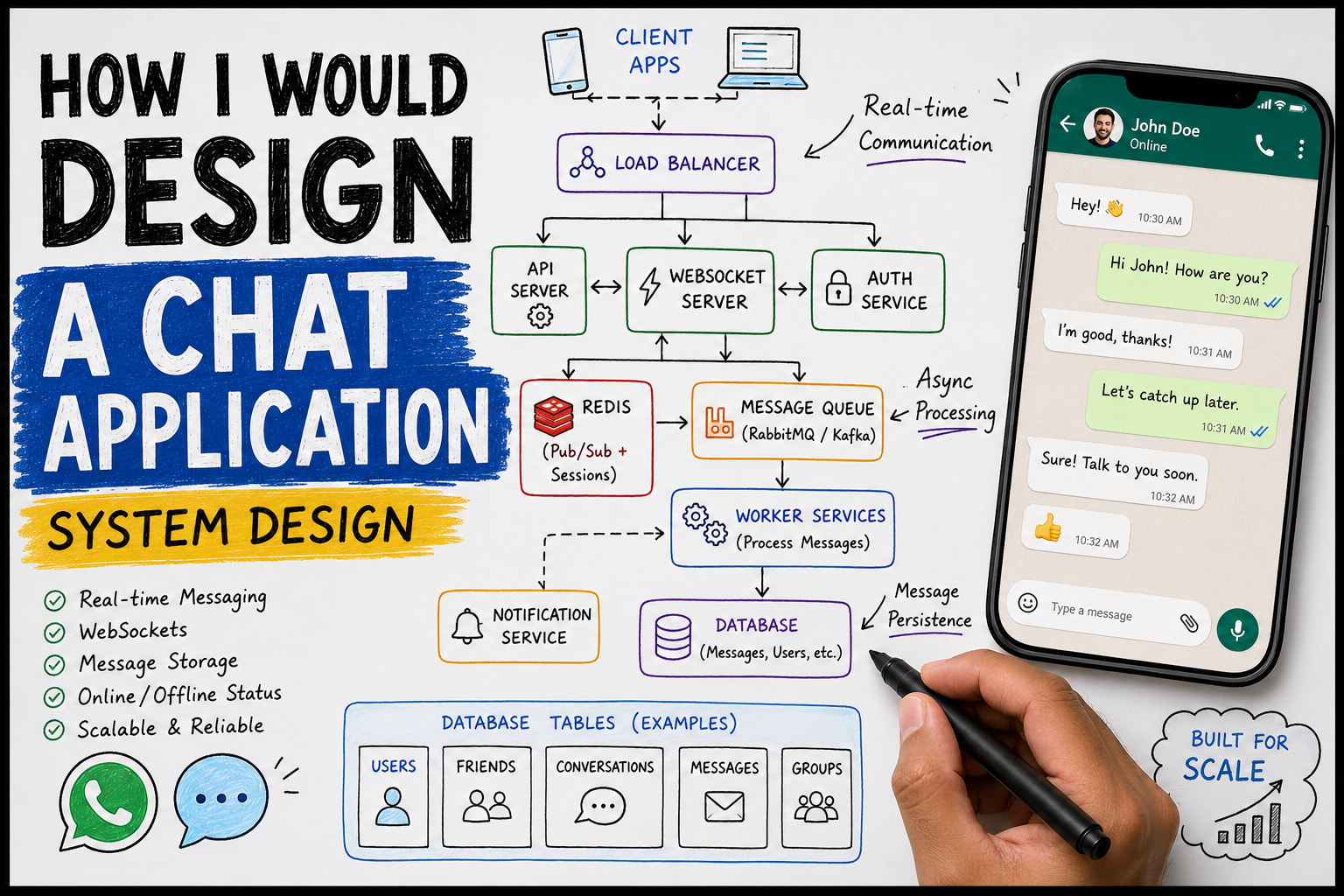
How I Would Design a Chat Application
If you've ever prepared for backend system design interviews, you've probably come across this question:
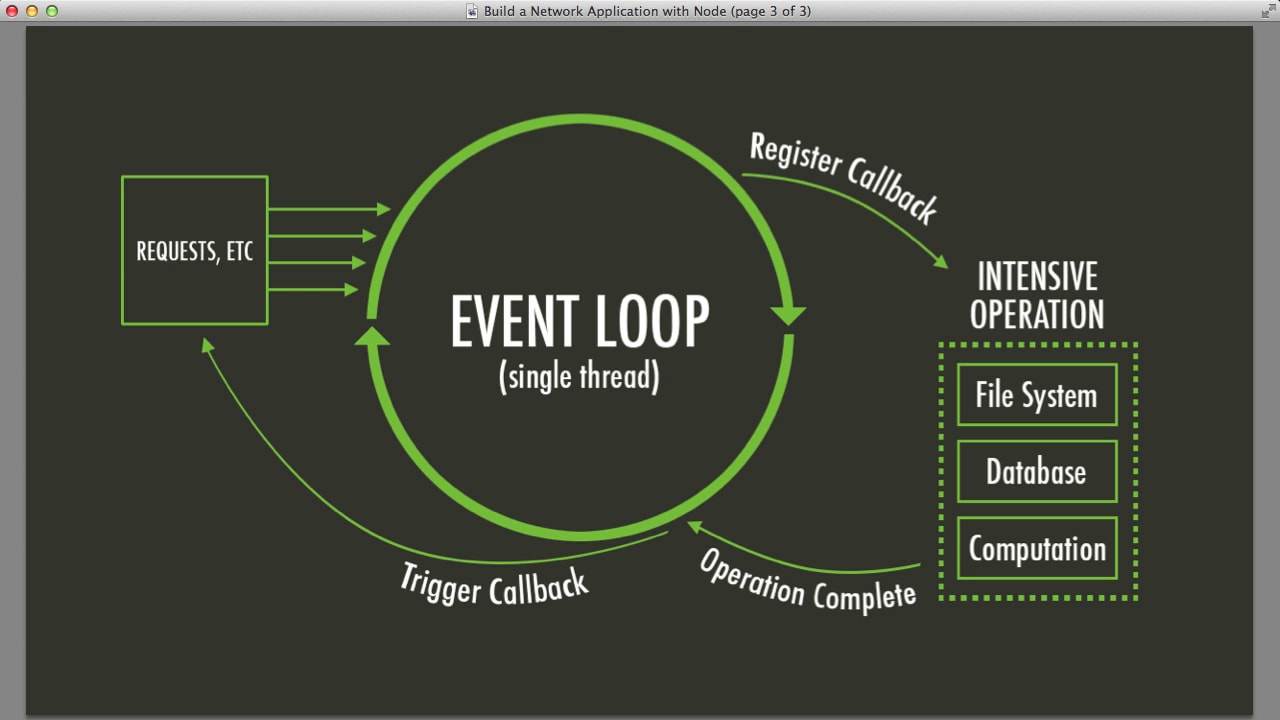
Understanding the Node.js Event Loop
The Secret Behind Non-Blocking Applications
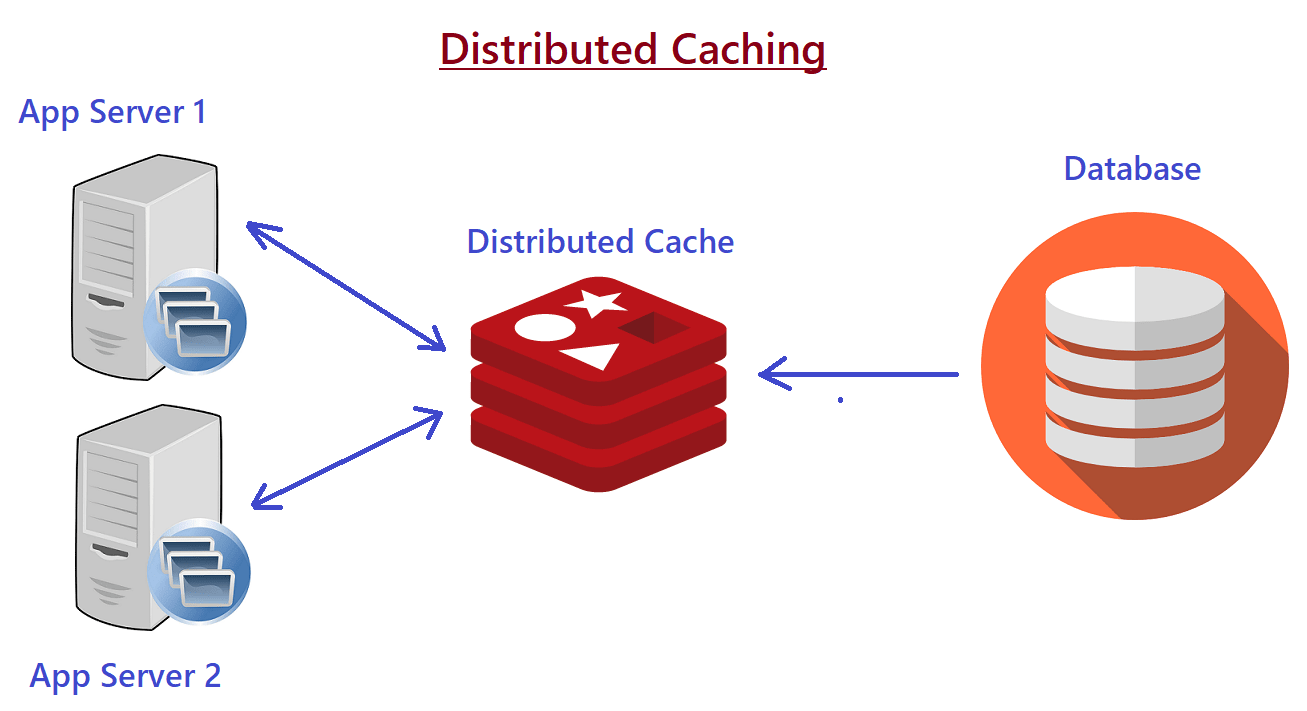
Redis Caching Strategies
Improving performance by 70% with efficient caching layers.

Real-time Communication Options
Deep dive into WebSockets and SSE for live data updates.In today’s fast-paced digital world, users expect instant updates—whether it’s receiving a message, tracking a live order, or watching stock prices change in real time. Traditional HTTP communication, which follows a request-response model, struggles to deliver such real-time experiences efficiently. To overcome this limitation, modern applications rely on real-time communication technologies like WebSockets and Server-Sent Events (SSE). These technologies enable servers to push data to clients instantly, eliminating the need for constant polling and significantly improving performance.
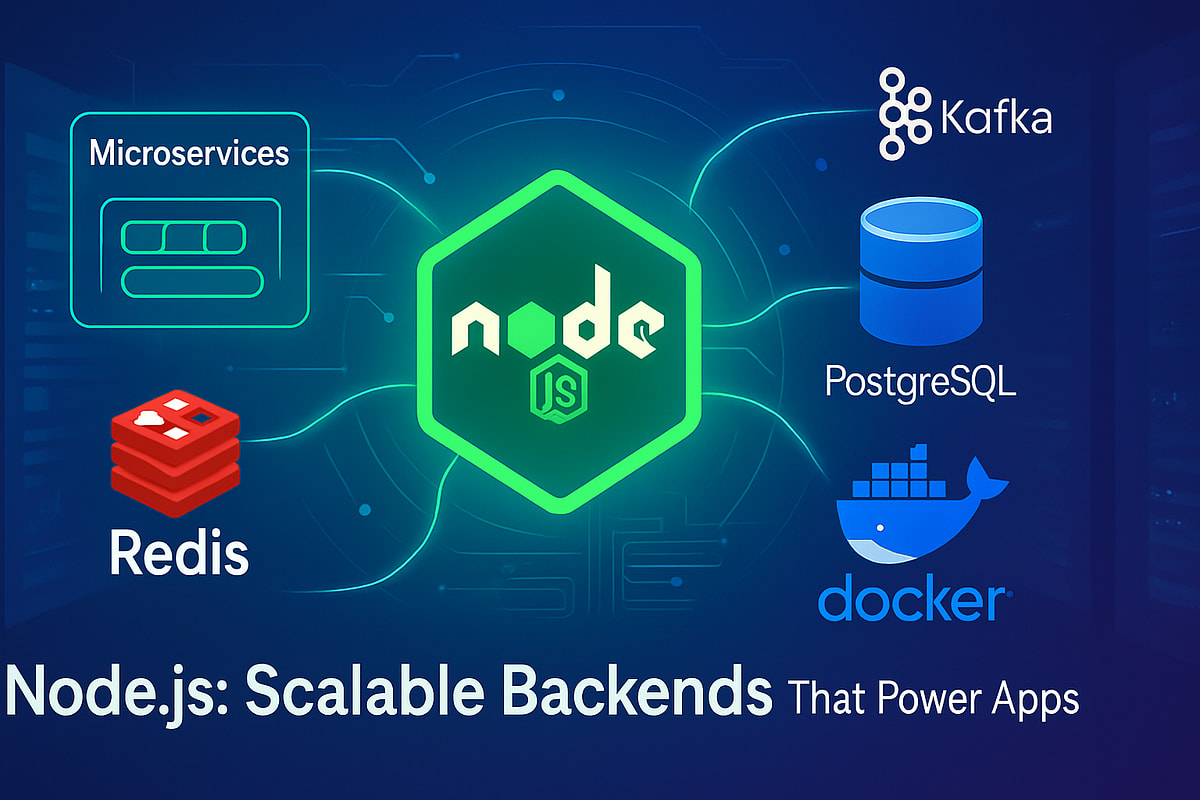
Building Scalable Backend Systems with Node.js
Core principles of designing scalable backends using asynchronous patterns Modern backend systems are expected to handle thousands (or even millions) of requests efficiently while staying fast, reliable, and maintainable. One of the most popular technologies for achieving this is Node.js. What makes Node.js powerful is its event-driven, non-blocking I/O model, which allows developers to build highly scalable backend systems without relying heavily on multithreading. In this blog, we’ll break down the core principles of building scalable backend systems using Node.js and asynchronous programming patterns.
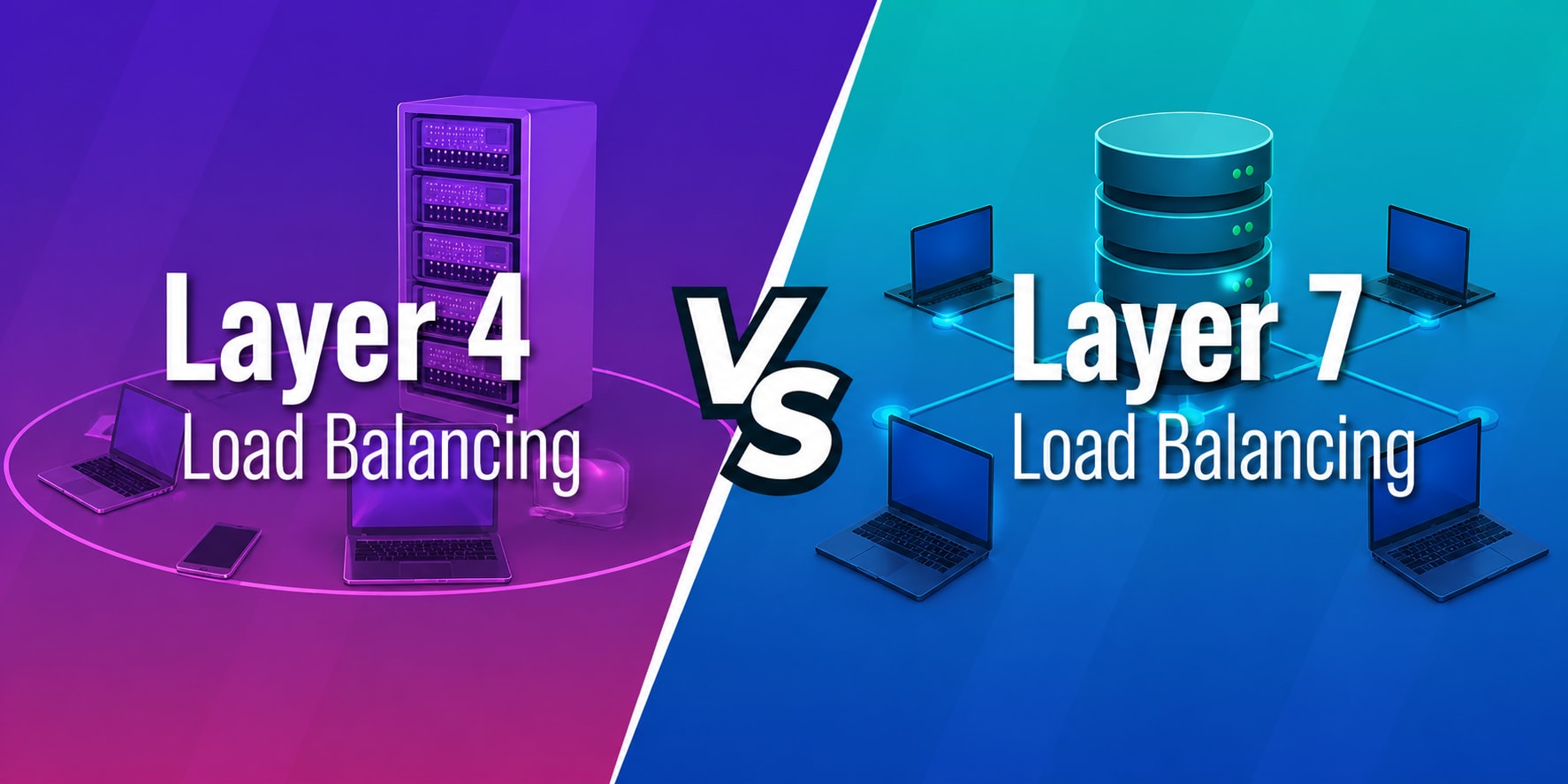
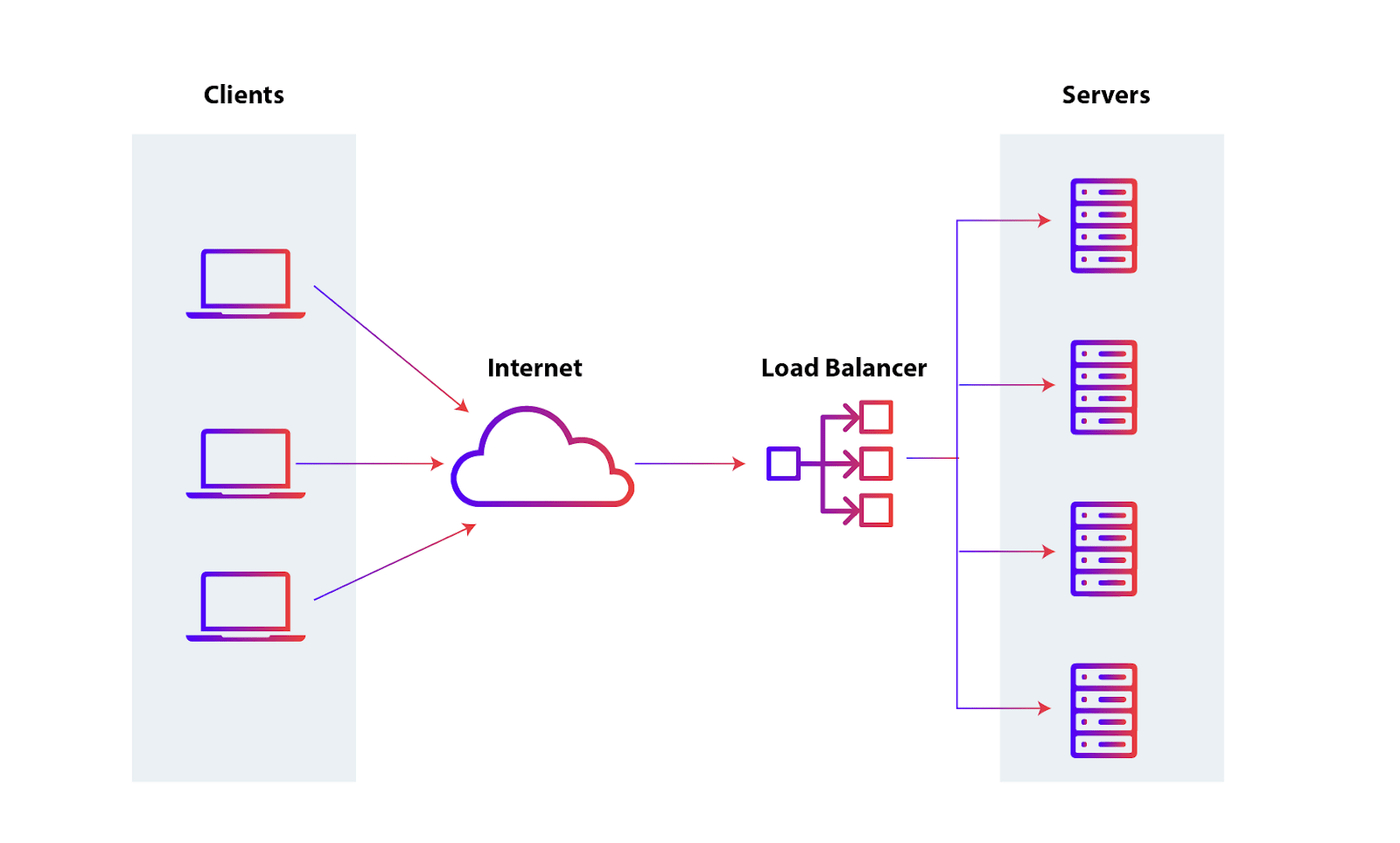
When to Use Layer 4 vs Layer 7 Load Balancer
Choosing between Layer 4 and Layer 7 depends on one simple thing: Do you need speed or smart routing?
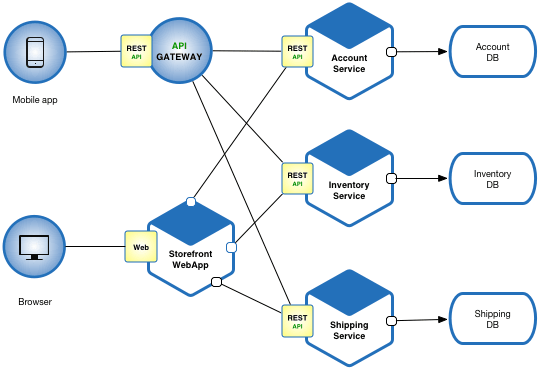
Mastering Microservices
Breaking monoliths into manageable services with event-driven architecture.