Back to all posts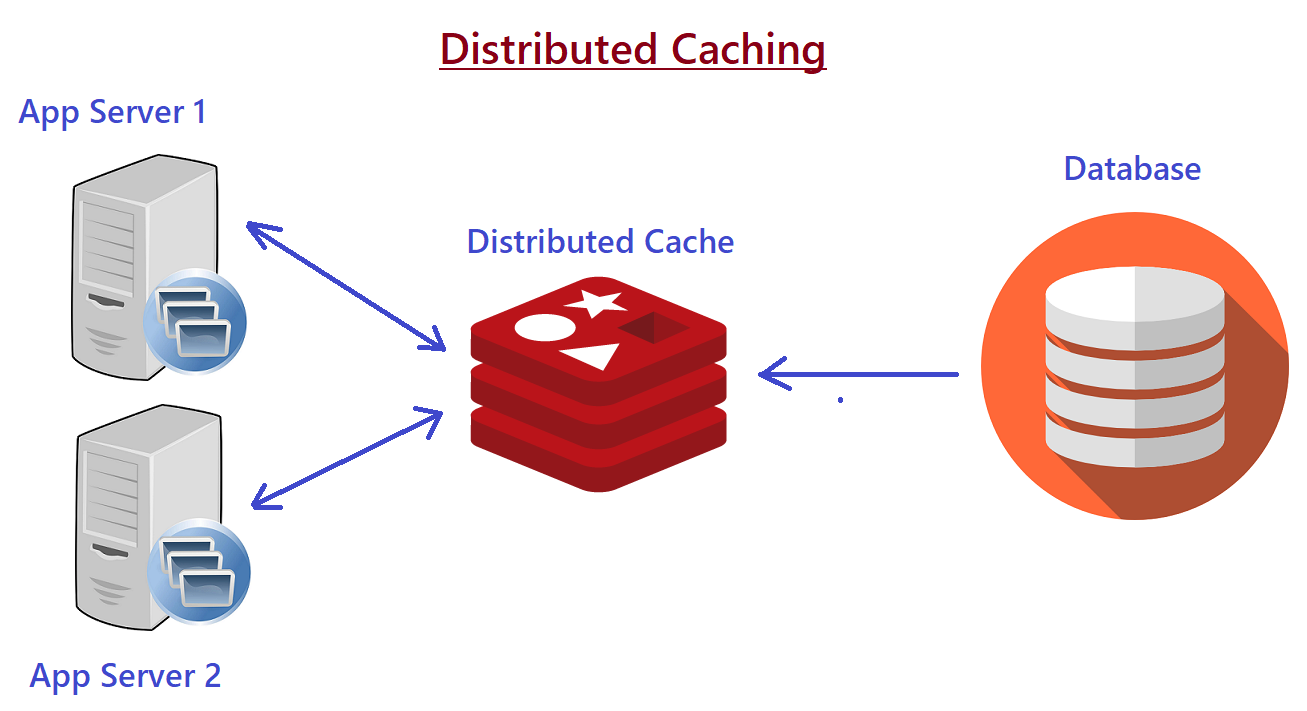

TechnologyMay 9, 2026Admin
Redis Caching Strategies
Improving performance by 70% with efficient caching layers.
Why Use Redis for Caching?
Without caching, every request from the client typically hits the database. As traffic grows, this leads to increased load, slower queries, and potential bottlenecks. By adding Redis as a caching layer, frequently accessed data can be served instantly without querying the database every time. This not only improves response time but also reduces database load, allowing the system to scale more efficiently.
Key Redis Caching Strategies
- Cache Aside (Lazy Loading) Cache Aside is the most commonly used caching strategy. In this approach, the application first checks Redis for data. If the data is found (cache hit), it is returned immediately. If not (cache miss), the application fetches the data from the database, stores it in Redis, and then returns it to the user. This strategy ensures that only frequently accessed data is cached, making it memory-efficient. However, the first request for any data will always be slower due to the cache miss.
- Write Through Caching In the Write Through strategy, data is written to both Redis and the database at the same time. Whenever an update occurs, the cache is immediately updated along with the database. This ensures that the cache always contains the latest data, reducing the chances of stale reads. However, it slightly increases write latency since every write operation involves both the cache and the database.
- Write Back (Write Behind) Write Back caching takes a different approach. Data is first written to Redis, and the database is updated asynchronously at a later time. This significantly improves write performance because the application does not wait for the database operation to complete. While this method reduces database load and improves speed, it comes with risks such as potential data loss if the cache fails before syncing with the database.
- Read Through Caching In Read Through caching, the cache layer itself is responsible for fetching data from the database when it is not present. The application interacts only with the cache, and the cache handles the logic of retrieving and storing data. This simplifies application code but requires more complex cache configuration and infrastructure.
- Time-To-Live (TTL) Based Caching TTL allows cached data to expire automatically after a certain period. This ensures that outdated data does not remain in the cache indefinitely. By setting appropriate expiration times, applications can balance between performance and data freshness. TTL is especially useful for data that changes frequently, such as trending content or session information.
- Cache Invalidation One of the biggest challenges in caching is ensuring data consistency. When the underlying data changes, the cache must be updated or invalidated. Common approaches include deleting the cache entry when data is updated, using TTL to automatically expire data, or triggering cache updates through events. Proper cache invalidation is critical to avoid serving stale or incorrect data.
- Distributed Caching As applications scale, a single Redis instance may not be sufficient. Distributed caching involves spreading data across multiple Redis nodes using techniques like clustering or sharding. This improves scalability, fault tolerance, and performance, ensuring that the caching layer can handle high traffic and large datasets.
Common Caching Challenges
While caching improves performance, it also introduces new challenges:
- Cache Penetration: Repeated requests for non-existent data can hit the database.
- Cache Breakdown: A popular (hot) key expires and causes a sudden spike in database traffic.
- Cache Avalanche: Many keys expire at once, overwhelming the system.